

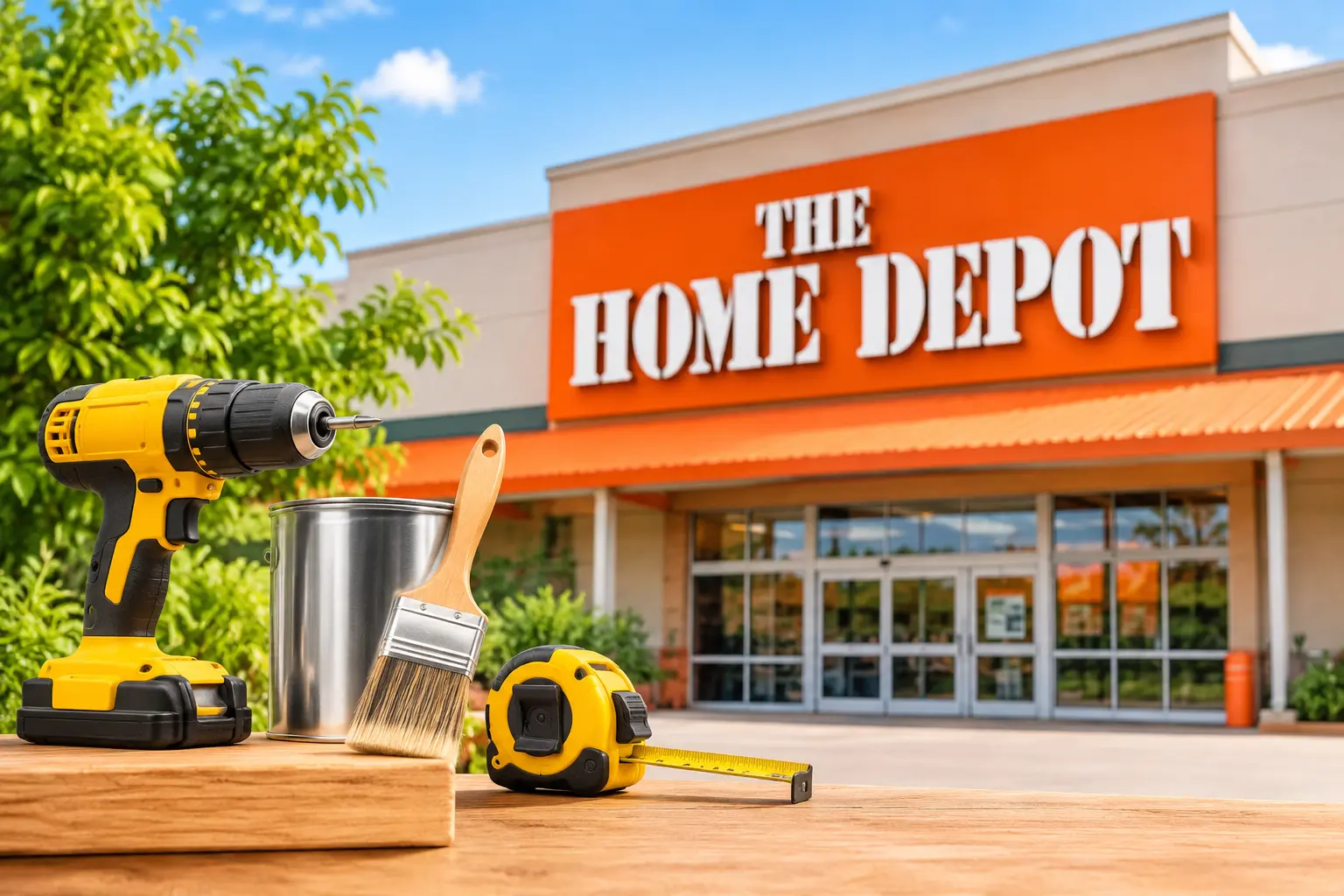
Home improvement is an important part of creating a comfortable, attractive, and functional living space. Whether you want to renovate your kitchen, update your bathroom, improve your garden, repair a damaged wall, or organize your home, choosing the right materials and tools can make a significant difference.
Home Depot is one of the well-known names in the home improvement retail industry. It offers customers access to a wide range of home improvement products, construction materials, tools, appliances, garden supplies, and professional services. People also use its online shopping platform to explore products, compare options, and plan renovation projects.
However, successful home improvement requires more than purchasing products. You need to understand your project, estimate your budget, select suitable materials, and consider installation requirements.
This guide explains what Home Depot is, what types of products and services shoppers can explore, how to plan home improvement projects, and what to consider before making a purchase.
1. What Is Home Depot?
The Home Depot is a major American home improvement retailer that serves homeowners, DIY enthusiasts, contractors, builders, and professional tradespeople.

The company focuses on products and services related to home renovation, construction, maintenance, gardening, and property improvement.
Its retail offering covers several areas, including:
- Building materials and construction supplies
- Hand tools and power tools
- Kitchen and bathroom products
- Flooring and wall materials
- Paint and decorating supplies
- Lighting and electrical products
- Plumbing equipment
- Gardening and landscaping supplies
- Furniture and outdoor living products
- Home appliances
- Storage and organization products
Customers can explore products through physical retail stores and the company’s online shopping platform.
The retailer also provides various project-related services, including installation and repair options in selected categories.
For homeowners, this combination can make it easier to research materials, compare products, and organize different stages of a renovation.
2. Why Do People Shop at Home Depot?
Home improvement projects can involve many different purchases. A kitchen renovation, for example, might require cabinets, flooring, lighting, sinks, faucets, paint, and installation materials.
Shopping at a large home improvement retailer can help customers explore multiple product categories in one place.
Here are some common reasons people consider Home Depot.
A Wide Range of Home Improvement Products

Different projects require different materials. Someone repairing a door needs different supplies from someone building a deck or replacing a bathroom vanity.
Home Depot covers several home improvement categories, allowing customers to explore different products for their projects.
Before purchasing, compare product specifications, dimensions, materials, and compatibility.
Options for DIY Enthusiasts
Do-it-yourself projects are popular among homeowners who want to improve their properties while managing their budgets.
Simple projects might include painting a bedroom, installing shelves, organizing a garage, or creating a small garden.
The right tools and preparation can make these projects easier to manage.
Products for Professional Contractors
Professional builders and contractors often need construction materials, tools, safety equipment, and supplies for ongoing projects.
Home improvement retailers can provide a convenient place to research and source many of these requirements.
Professional buyers should still compare specifications, quantities, delivery options, and overall costs.
Online Product Research
Online shopping allows customers to investigate products before visiting a store.
They can review product descriptions, compare available options, check measurements, and research features.
This is particularly helpful when buying large items such as appliances, flooring, cabinets, or outdoor equipment.
3. Home Depot Products: What Can You Find?
Understanding product categories helps customers organize their shopping and avoid purchasing unnecessary items.
Below are some important categories associated with home improvement shopping.
Building Materials
Building materials are essential for construction, repairs, and renovation projects.
Common materials include:
- Lumber
- Plywood
- Drywall
- Cement
- Concrete products
- Insulation
- Roofing materials
- Fasteners
- Adhesives
- Masonry supplies
The correct material depends on the project, building requirements, environmental conditions, and intended application.
For example, materials suitable for an indoor decorative project may not be appropriate for an outdoor structure exposed to moisture.
Always check product specifications and local building requirements before starting construction.
Tools and Equipment
Tools are essential for completing repairs and improvement work.
Home improvement shoppers may explore hand tools, power tools, measuring equipment, and accessories.
Common hand tools include:
- Hammers
- Screwdrivers
- Pliers
- Wrenches
- Measuring tapes
- Utility knives
- Levels
- Handsaws
Power tools may include drills, circular saws, sanders, grinders, and other equipment.
When selecting a tool, consider its purpose, power requirements, safety features, operating instructions, and maintenance needs.
Beginners should start with basic tools that match their actual projects rather than purchasing expensive equipment they may rarely use.
Kitchen Improvement Products
The kitchen is one of the most important areas of a home.
A well-designed kitchen should provide sufficient storage, practical work surfaces, suitable lighting, and comfortable movement.
Home improvement shopping for kitchens may include:
- Kitchen cabinets
- Cabinet handles
- Countertops
- Kitchen sinks
- Faucets
- Backsplash materials
- Kitchen lighting
- Storage organizers
- Shelving
- Flooring
Before choosing kitchen products, measure the available space.
Think about cabinet dimensions, appliance placement, plumbing connections, and electrical requirements.
For a small kitchen, light colors, efficient storage, and carefully selected lighting can help create a more open appearance.
For a larger kitchen, an island or additional countertop space may improve functionality.
Bathroom Products
Bathroom renovation can improve comfort, appearance, and everyday usability.
Common bathroom improvement products include:
- Bathroom vanities
- Toilets
- Shower fixtures
- Bathtubs
- Bathroom sinks
- Faucets
- Mirrors
- Storage cabinets
- Shower doors
- Bathroom lighting
- Tiles and flooring
Moisture resistance is especially important when selecting bathroom materials.
Choose suitable flooring, wall finishes, and fixtures that can handle regular exposure to humidity and water.
For plumbing and electrical work, professional assistance may be necessary.
Flooring Products
Flooring affects the appearance, comfort, and maintenance requirements of a room.
Different flooring materials offer different advantages.
- Hardwood flooring: Provides a natural appearance and can complement traditional or modern interiors.
- Laminate flooring: Offers a variety of decorative finishes and can be an option for people looking for an alternative to natural wood.
- Vinyl flooring: Comes in different designs and may offer water-resistant options depending on the product.
- Tile flooring: Commonly used in kitchens, bathrooms, and other areas where durability and easy cleaning are important.
- Carpet: Can add warmth and softness to bedrooms and living spaces.
Before purchasing flooring, measure the room and consider installation methods, moisture conditions, traffic levels, and maintenance requirements.
Paint and Decorating Supplies
Painting is one of the most accessible ways to refresh a home.
A new wall color can change the atmosphere of a room without requiring a major renovation.
Common painting supplies include:
- Interior paint
- Exterior paint
- Primers
- Paint rollers
- Brushes
- Paint trays
- Painter’s tape
- Drop cloths
- Sandpaper
- Surface preparation products
The type of paint should match the surface and intended use.
For example, interior wall paint and exterior paint are designed for different conditions.
Always prepare the surface before painting. Clean walls, repair holes, remove loose paint, and apply primer when appropriate.
Lighting and Electrical Products
Lighting affects both the appearance and functionality of a home.
A good lighting plan combines general illumination, task lighting, and decorative lighting.
Common lighting products include:
- Ceiling lights
- Pendant lights
- Wall lights
- Recessed lighting
- LED bulbs
- Outdoor lighting
- Under-cabinet lighting
- Ceiling fans
When selecting lighting, consider brightness, color temperature, energy consumption, fixture dimensions, and installation requirements.
Electrical work should follow applicable safety standards. Hire a qualified electrician for tasks involving wiring, electrical panels, or other potentially dangerous installations.
4. Home Depot Garden and Outdoor Products
Outdoor spaces can become valuable extensions of a home.
A small garden, comfortable patio, or organized backyard can improve the property’s appearance and provide space for relaxation.
Home improvement shoppers may explore several outdoor product categories.
Gardening Supplies
Gardening requires suitable tools and materials.
Useful supplies include:
- Garden shovels
- Hand trowels
- Watering equipment
- Garden hoses
- Pruning tools
- Plant containers
- Soil and compost
- Garden gloves
- Fertilizers
- Plant supports
The right supplies depend on the plants, garden size, climate, and available space.
For beginners, starting with a small collection of easy-to-maintain plants can make gardening more enjoyable.
Outdoor Furniture
Outdoor furniture can make patios, balconies, and backyards more comfortable.
Popular options include:
- Patio chairs
- Outdoor tables
- Garden benches
- Lounge furniture
- Outdoor cushions
- Umbrellas
- Storage benches
Consider the local weather before choosing furniture.
Materials should be suitable for outdoor conditions, and cushions should be stored or protected when necessary.
Deck and Patio Improvement
A deck or patio can create a useful outdoor living area.
Possible improvement ideas include:
- Adding comfortable seating
- Installing outdoor lighting
- Creating a shaded area
- Adding decorative planters
- Improving outdoor flooring
- Organizing gardening equipment
- Creating a small dining area
Before building or modifying a deck, check local construction rules and safety requirements.
Lawn Care and Landscaping
A healthy lawn and organized landscape can improve the overall appearance of a property.
Lawn care may involve mowing, watering, soil preparation, weed management, and seasonal maintenance.
Landscaping projects can include planting trees, creating flower beds, installing pathways, and arranging decorative stones.
Plan your outdoor space according to sunlight, soil conditions, water availability, and the amount of maintenance you can manage.
5. Home Depot Appliances: What Should You Consider?
Appliances are important investments because they influence everyday comfort, convenience, and energy consumption.
Customers researching appliances should compare more than appearance and price.
Refrigerators
When choosing a refrigerator, consider:
- Available kitchen space
- Storage capacity
- Door configuration
- Energy efficiency
- Interior organization
- Noise levels
- Maintenance requirements
Measure the refrigerator space carefully, including the room needed for door movement and ventilation.
Washing Machines and Dryers
Laundry appliances should match household requirements.
Compare capacity, available wash programs, energy and water use, installation requirements, and maintenance needs.
Consider whether a front-load or top-load washing machine is better suited to your space and preferences.
Dishwashers
A dishwasher can reduce the time spent washing dishes.
Look at capacity, dimensions, cleaning programs, water consumption, noise levels, and installation compatibility.
Cooking Appliances
Cooking appliances include ranges, ovens, cooktops, and microwaves.
Your choice should depend on cooking habits, available space, ventilation, and electrical or gas connections.
For larger appliance purchases, review delivery and installation requirements before completing an order.
6. How to Shop at Home Depot Online
Online shopping can make home improvement research more convenient.
Instead of visiting several stores immediately, customers can first explore product options and compare specifications.
Here is a simple process for organizing an online shopping experience.
Step 1: Identify Your Project
Start by defining what you want to accomplish.
Are you renovating a bathroom, painting a bedroom, replacing flooring, or improving your garden?
A clear project description makes it easier to identify relevant products.
Step 2: Make a Shopping List
Write down the products and materials required.
For a basic painting project, your list might include:
- Wall paint
- Primer
- Paint brushes
- Rollers
- Painter’s tape
- Sandpaper
- Drop cloths
A shopping list reduces unnecessary purchases and helps you estimate the project budget.
Step 3: Search for Products
Use relevant category names and product descriptions to explore available options.
For example, someone renovating a bathroom might research bathroom vanities, faucets, shower fixtures, and flooring.
Avoid choosing products based only on attractive photographs.
Step 4: Compare Specifications
Check dimensions, material types, product features, compatibility, and care instructions.
For example, a kitchen sink must fit the available countertop opening and work with the plumbing arrangement.
Similarly, flooring products must be suitable for the intended room.
Step 5: Review Customer Feedback
Customer reviews can provide additional information about product performance and installation experiences.
Look for repeated comments rather than relying on one extremely positive or negative review.
Check whether reviewers discuss the same model and product version you are considering.
Step 6: Review Delivery and Pickup Options
Large or heavy items may require special delivery arrangements.
Check the availability of delivery, store pickup, installation, and related services for your location.
Service availability and conditions may vary.
Step 7: Check Your Final Budget
Calculate the full cost rather than considering only the main product price.
Remember to account for accessories, installation materials, delivery charges, tools, and possible professional labor.
7. Home Depot Installation and Home Services
Some home improvement projects are easier to complete with professional assistance.
Installation services may be useful when a project requires specialist tools, technical knowledge, or careful measurements.
The Home Depot lists services across several areas, including flooring, kitchen remodeling, bathroom improvements, windows and doors, plumbing, electrical work, heating and cooling, and landscaping.
Availability depends on the service and location.
Flooring Installation
Flooring installation involves more than placing new material over an existing surface.
The process may require removing old flooring, preparing the subfloor, measuring the area, and selecting suitable installation materials.
A professional installer can help assess the requirements and complete the work.
Kitchen Remodeling
Kitchen remodeling may involve cabinets, countertops, sinks, faucets, appliances, flooring, and lighting.
A well-planned renovation should consider the layout, plumbing, electrical connections, storage, and ventilation.
Professional planning can help reduce measurement errors and improve coordination between different parts of the project.
Bathroom Remodeling
Bathroom renovation can involve plumbing fixtures, shower installations, flooring, wall finishes, lighting, and storage.
Because bathrooms contain water and electrical systems, proper installation is particularly important.
Window and Door Installation
Windows and doors affect security, ventilation, insulation, and appearance.
Incorrect measurements or installation can cause drafts, water leakage, and operational problems.
A professional assessment can help determine suitable replacement options.
Appliance Installation
Large appliances may require special electrical, plumbing, or ventilation connections.
Before arranging installation, check the product requirements and ensure the installation area is ready.
8. How to Plan a Home Renovation Project
A successful renovation begins with careful planning.
Many homeowners experience unnecessary expenses because they purchase materials before understanding the full project requirements.
Use the following steps to create a more organized plan.
Define Your Goals
Start by identifying the problem you want to solve.
Perhaps your kitchen lacks storage, your bathroom needs updated fixtures, or your living room requires better lighting.
Write down your priorities.
Separate essential improvements from optional decorative upgrades.
Measure Your Space
Measurements are critical when purchasing home improvement materials.
Measure wall lengths, floor areas, ceiling heights, cabinet openings, and appliance spaces where relevant.
Record the measurements in one place.
For complex projects, consider professional measurement services.
Set a Realistic Budget
Create a budget that includes materials, labor, delivery, tools, and unexpected expenses.
A small contingency allowance can help manage unexpected repairs or material requirements.
Avoid spending the entire budget on decorative products before covering essential structural or functional needs.
Research Materials
Different materials have different costs, maintenance needs, and performance characteristics.
Compare several options before making a final decision.
For example, when choosing kitchen countertops, consider appearance, durability, cleaning requirements, and installation costs.
Prepare a Timeline
Break the renovation into smaller stages.
A bathroom renovation might include:
- Planning and measurements
- Material selection
- Removal of old fixtures
- Plumbing and electrical preparation
- Flooring and wall installation
- Fixture installation
- Final inspection and cleaning
Some tasks depend on the completion of earlier work.
Allow enough time for product delivery and professional scheduling.
Check Local Requirements
Certain construction, electrical, plumbing, and structural projects may require permits or qualified professionals.
Check local rules before starting work.
Do not assume that every DIY project can be completed without approval or specialist assistance.
9. Affordable Home Improvement Ideas
You do not always need a large renovation budget to improve your home.
Small, carefully selected upgrades can create visible changes.
Refresh Your Walls
A fresh coat of paint can make a room look cleaner and more modern.
Choose colors that work with your furniture, flooring, and natural lighting.
Neutral shades can provide flexibility, while accent walls can introduce personality.
Upgrade Cabinet Hardware
Replacing old cabinet handles and knobs can improve the appearance of kitchens and bathrooms.
Choose hardware that fits the existing holes whenever possible to reduce installation work.
Improve Storage
Storage improvements can make small spaces more functional.
Consider:
- Wall-mounted shelves
- Drawer organizers
- Closet storage systems
- Garage shelving
- Under-sink organizers
- Decorative storage baskets
Organized storage also makes everyday cleaning easier.
Replace Old Lighting
Updating outdated light fixtures can change the appearance of a room.
Use suitable lighting for reading, cooking, working, and relaxing.
Consider energy-efficient LED options where appropriate.
Improve Your Entrance
The entrance creates the first impression of a home.
Simple improvements may include a new doormat, attractive outdoor lighting, organized shoe storage, and decorative plants.
Create a Small Garden
A small balcony or outdoor corner can become a pleasant green space.
Use suitable containers, low-maintenance plants, and a practical watering routine.
Organize Your Garage
A garage can become more useful when tools, equipment, and seasonal items have designated storage areas.
Install suitable shelving and wall storage while keeping heavy items safely positioned.
10. Home Depot Shopping Tips for Beginners
First-time home improvement shoppers may find the number of available products confusing.
These practical tips can make the process easier.
- Understand the project first: Do not purchase materials without knowing what the project requires.
- Check dimensions twice: Incorrect measurements can result in wasted money and installation problems.
- Compare product quality: A lower price does not always represent better value.
- Read product instructions: Installation requirements can vary significantly between products.
- Check compatibility: Fixtures, accessories, appliances, and building materials must work with the existing setup.
- Consider maintenance: Choose materials that match the amount of care you can provide.
- Ask for professional advice when needed: Electrical, plumbing, structural, and other specialist work should be handled appropriately.
- Keep receipts and order details: These records can help when you need customer support or want to check applicable return conditions.
- Check current policies: Return periods, delivery arrangements, warranties, and installation conditions can vary by product and purchase type.
11. Home Depot for DIY Home Improvement Projects
DIY projects allow homeowners to personalize their living spaces.
However, it is important to choose projects that match your experience and abilities.
Here are some ideas for beginners.
DIY Floating Shelves
Floating shelves can create extra storage and display space.
You may need suitable shelves, mounting hardware, a drill, a measuring tape, and a level.
Before installation, identify the wall type and choose appropriate anchors or mounting hardware.
Make sure the shelves can safely support the intended weight.
DIY Bedroom Makeover
A bedroom makeover can start with a few simple improvements.
Consider new bedding, better lighting, wall paint, curtains, and organized storage.
You can also create a small reading corner with a comfortable chair and decorative lighting.
DIY Kitchen Organization
Kitchen organization does not always require a complete renovation.
Drawer dividers, cabinet organizers, wall shelves, and pantry storage containers can make everyday activities easier.
Start by removing items you no longer use.
DIY Garden Improvement
A simple garden project might include planting flowers, arranging containers, creating a small herb garden, or improving an outdoor seating area.
Choose plants that suit the local climate and available sunlight.
DIY Garage Storage
Install appropriate storage shelves, tool organizers, and wall-mounted hooks.
Keep frequently used equipment accessible and store dangerous tools safely.
For any DIY project, follow product instructions and use suitable personal protective equipment.
12. How to Choose the Right Home Improvement Products
Choosing suitable products requires balancing quality, functionality, appearance, and cost.
A product that looks attractive may not necessarily be the best option for your project.
Consider these factors before buying.
Product Quality
Review the material, construction, manufacturer information, and product specifications.
For items that receive frequent use, durability should be a priority.
Price and Overall Value
Compare the total cost rather than focusing only on the initial price.
A more affordable product may require additional accessories or maintenance.
A higher-priced product may offer useful features, but it should still meet your actual requirements.
Size and Compatibility
Check all measurements before ordering.
For example, appliances must fit their designated spaces, and replacement fixtures should match existing connections where required.
Maintenance Requirements
Some materials need regular cleaning, sealing, polishing, or protective treatment.
Consider whether you can maintain the product properly.
Warranty Information
Read the warranty details carefully.
Understand what is covered, how long the coverage lasts, and whether installation conditions affect eligibility.
13. Home Improvement Mistakes to Avoid
Even small mistakes can increase project costs and delay completion.
Here are some common problems to avoid.
Purchasing Without Measurements
Buying cabinets, flooring, appliances, or fixtures without accurate measurements can create serious problems.
Measure the space before ordering.
Ignoring Installation Costs
The product price is only one part of a renovation budget.
Include professional labor, delivery, preparation, and installation materials.
Choosing Products Only for Appearance
A beautiful material may not be suitable for a high-moisture bathroom or a heavily used outdoor area.
Consider function and durability alongside appearance.
Skipping Surface Preparation
Painting over damaged or dirty surfaces can produce poor results.
Prepare walls, floors, and other surfaces according to the product instructions.
Buying Too Much Material
Excessive purchasing can waste money and create storage problems.
Estimate the required quantity carefully and account for reasonable cutting or installation waste.
Attempting Specialist Work Without Experience
Complex electrical, plumbing, gas, and structural work can create safety risks.
Hire qualified professionals where necessary.
Ignoring Delivery Requirements
Large appliances and construction materials may need special handling.
Confirm access, delivery arrangements, and installation space before placing an order.
14. Home Depot and Sustainable Home Improvement
Sustainable home improvement focuses on reducing waste, improving resource efficiency, and choosing products that support long-term use.
Homeowners can make practical changes without completely renovating their properties.
Choose Energy-Efficient Lighting
LED lighting can use less electricity than traditional incandescent lighting.
Consider replacing frequently used bulbs with suitable energy-efficient alternatives.
Reduce Water Waste
Water-efficient fixtures and responsible watering practices can help reduce household water consumption.
Check product specifications and local water-efficiency requirements.
Improve Home Insulation
Proper insulation can help maintain indoor temperatures and reduce heating or cooling requirements.
Assess the home’s existing insulation before selecting materials.
Repair Before Replacing
Some damaged furniture, fixtures, and household products can be repaired instead of discarded.
Repairing suitable items can reduce waste and extend product life.
Choose Durable Materials
Products that last longer may reduce the need for frequent replacement.
Consider expected lifespan, maintenance requirements, and material quality when making purchasing decisions.
Plan Purchases Carefully
Create an accurate shopping list to reduce unnecessary purchases and leftover materials.
Store unused materials properly when they can be safely reused.
15. How Home Depot Can Help With Seasonal Projects
Home improvement requirements often change with the seasons.
Planning ahead can help homeowners prepare their properties for different weather conditions.
Spring Projects
Spring is a useful time for outdoor maintenance and gardening.
Possible activities include:
- Cleaning outdoor spaces
- Preparing garden beds
- Planting seasonal flowers
- Inspecting fences
- Organizing garages
- Refreshing outdoor furniture
Summer Projects
Summer can provide opportunities for outdoor improvements.
Consider patio upgrades, deck maintenance, landscaping, and outdoor lighting.
Make sure materials are suitable for heat and direct sunlight.
Fall Projects
Autumn is a good time to prepare a property for colder weather.
Inspect windows, doors, gutters, insulation, and outdoor equipment.
Clean and store gardening tools properly.
Winter Projects
Winter projects often focus on indoor comfort and maintenance.
You might organize storage spaces, update interior lighting, improve room décor, or plan larger renovations for the coming months.
Always consider local weather conditions when scheduling exterior work.
16. Home Depot vs. Other Home Improvement Stores
Home Depot is not the only retailer serving the home improvement market.
Depending on location, shoppers may compare it with Lowe’s, local hardware stores, building material suppliers, and specialist retailers.
Each option may offer different advantages.
Product Selection
Large retailers may provide broad product categories, while specialist stores may focus on particular materials or equipment.
Compare the range available for your project.
Price Comparison
Do not assume that one retailer always offers the lowest price.
Compare equivalent products with similar specifications.
Include delivery and installation costs in the comparison.
Customer Support
Product guidance, installation assistance, and customer service can influence the overall shopping experience.
Consider whether you need basic purchasing support or specialist advice.
Product Availability
Availability can differ by store, region, and time.
Check local inventory before making a trip or planning a project around a particular product.
Local Hardware Stores
Smaller stores may offer personal assistance and useful knowledge about local building materials.
They can also be convenient for basic repair supplies.
The best retailer depends on your project, location, budget, and requirements.
17. Is Home Depot a Good Option for Home Improvement?
Home Depot can be a useful shopping destination for people researching home improvement products and services.
Its broad product categories cover many common renovation, repair, maintenance, and outdoor projects.
However, the right shopping decision depends on individual needs.
Before purchasing, consider:
- Whether the product matches your project
- Whether the dimensions are correct
- Whether the materials are suitable
- Whether the total cost fits your budget
- Whether professional installation is required
- Whether the product is available in your area
- Whether the warranty and return conditions are acceptable
For larger renovation projects, compare multiple suppliers and obtain professional advice where appropriate.
The goal should not simply be to buy more products. It should be to choose the right materials and complete the project safely and efficiently.
18. Tips for Getting More Value From Home Improvement Shopping
A thoughtful shopping strategy can help you control expenses and avoid unnecessary purchases.
Start by researching the project before visiting a store.
Create a detailed list that separates essential products from optional upgrades.
Compare several products in the same category and read their specifications.
Check whether accessories are included or need to be purchased separately.
For larger purchases, review current promotions and financing conditions carefully rather than making decisions based only on advertising.
If you are buying several materials, estimate the quantities together to avoid repeated trips.
For contractors and property owners managing larger projects, organizing receipts, measurements, delivery details, and product information can make project management easier.
Finally, inspect delivered products promptly and follow the manufacturer’s instructions for storage and installation.
19. Final Thoughts on Home Depot
Home improvement is an ongoing process that helps people create more comfortable, attractive, and functional living spaces.
Home Depot is a recognized retailer in this industry, offering a broad selection of products and access to various project-related services.
From building materials and power tools to kitchen supplies, bathroom fixtures, flooring, appliances, and garden products, shoppers can explore many options for different household requirements.
However, successful home improvement depends on proper planning.
Before making a purchase, define your project, measure the available space, compare materials, review specifications, and prepare a realistic budget.
For simple projects, DIY work can be a rewarding way to improve your home. For complicated electrical, plumbing, structural, or installation tasks, professional assistance is often the safer choice.
Whether you are planning a small bedroom makeover or a complete kitchen renovation, careful research and informed product selection can help you achieve better results.
The most important thing is to focus on quality, functionality, safety, and long-term value rather than making purchases simply because a product looks attractive.
Frequently Asked Questions About Home Depot
1. What is Home Depot best known for?
Home Depot is best known as a home improvement retailer offering products related to construction, renovation, repairs, tools, appliances, gardening, and household maintenance.
2. Can I shop at Home Depot online?
Yes. Customers can explore and purchase products through the official Home Depot website, subject to product availability and applicable delivery or pickup options.
3. What types of products does Home Depot sell?
Its product categories include tools, building materials, flooring, paint, kitchen and bathroom supplies, lighting, appliances, gardening products, and outdoor living equipment.
4. Does Home Depot provide installation services?
The Home Depot lists installation and repair services across several categories. Availability, pricing, and service conditions depend on the project and location.
5. Can beginners purchase DIY tools at Home Depot?
Yes. Beginners can explore basic hand tools, power tools, measuring equipment, and project supplies. It is important to select tools appropriate for the intended task and follow safety instructions.
6. Does Home Depot sell gardening products?
Yes. Gardening and outdoor product categories include various tools, supplies, equipment, and products for maintaining outdoor spaces. Local availability may vary.
7. How can I save money on home improvement projects?
Plan your project, compare equivalent products, prepare a shopping list, check current promotions, avoid unnecessary purchases, and consider maintenance costs.
8. Is Home Depot available in every country?
No. The retailer’s physical stores and services are primarily associated with the United States, Canada, and other markets where it operates. Customers should check the official website for their country and location.
9. Should I hire a professional for home renovation?
Professional help is recommended for complex electrical, plumbing, gas, and structural work. Simple decorative projects may be suitable for homeowners with the necessary skills.
10. How do I choose the right home improvement materials?
Consider the project requirements, measurements, material quality, durability, maintenance, compatibility, safety, and total cost before making a decision.
11. Can I compare home improvement products online?
Yes. Online product research can help shoppers compare dimensions, specifications, features, prices, and customer feedback before purchasing.
12. What should I consider before buying large appliances?
Check dimensions, capacity, energy consumption, installation requirements, delivery arrangements, warranty coverage, and compatibility with your home’s existing connections.
13. Does Home Depot offer products for outdoor projects?
Yes. Outdoor-related categories include gardening supplies, patio products, landscaping materials, outdoor lighting, and other home improvement products.
14. Why should I plan a home improvement budget?
A budget helps control spending and accounts for materials, tools, delivery, installation, and unexpected expenses.
15. Where can I find official Home Depot product and service information?
Visit the official website at https://www.homedepot.com/ to explore current product categories, shopping options, and available services.
