

Introduction
Choosing clothes for babies is an important part of preparing for a new family member. Parents want outfits that look attractive, feel soft, fit properly, and make everyday care easier. They also want good value for money, especially because babies grow quickly and often need new sizes within a short period.
Online shopping has made it easier to explore baby clothing from home. Parents can compare different designs, read product descriptions, check available sizes, and review prices before placing an order. However, buying baby clothes online also requires care. Product photographs may not show every detail, and the wrong size or fabric can make an otherwise attractive outfit uncomfortable.
The keyword TheSpark Shop kids clothes for baby boy & girl is relevant to parents looking for information about baby clothing and online shopping options. Before buying from any retailer, shoppers should understand the available products, fabric details, size charts, return conditions, and total cost.
This guide explains how to evaluate TheSpark Shop kids clothing, what parents should check before ordering, and how to select suitable outfits for baby boys and girls. It also covers practical shopping tips, clothing care, common mistakes, and ways to make a baby clothing budget go further.
What Is TheSpark Shop Kids Clothing?

TheSpark Shop is a name associated with online shopping searches, including searches for clothing for baby boys and girls. People searching for this phrase may want to discover clothing options, understand the shopping experience, or determine whether a particular product or store meets their needs.
Before placing an order, confirm that you are visiting the intended retailer’s official website or a trustworthy seller. Similar names, copied product photographs, and unofficial websites can make it difficult to identify the original source.
A sensible first step is to examine the website carefully. Look for clear product information, contact details, payment information, shipping terms, and return or exchange policies. Read the information available on the actual product page rather than assuming every item has the same features.
Parents should also check whether a listed outfit is suitable for the baby’s age, weight, and intended use. A stylish design is useful, but comfort, safety, and easy care should remain the main priorities.
This article is an independent buying guide, not a verified customer review of TheSpark Shop. Specific products, current prices, ratings, and retailer policies should be confirmed directly before making a purchase.
Why Parents Shop for Baby Boy and Baby Girl Clothes Online
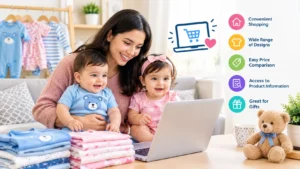
Online baby clothing stores give parents an opportunity to explore products without visiting several physical shops. This can be especially helpful for families with newborns or busy schedules.
1. Convenient Shopping
Parents can browse clothing options from home and compare several products at their own pace. They can check measurements, read fabric descriptions, and save suitable options for later.
Online shopping can also help parents prepare for upcoming needs, such as seasonal clothing, family celebrations, or a baby’s next size.
2. A Wide Range of Designs
Baby clothing comes in many styles, including bodysuits, rompers, sleepsuits, T-shirts, trousers, dresses, and coordinated sets.
Some parents prefer simple everyday designs, while others look for special outfits for birthdays, festivals, family photographs, and celebrations.
The available selection varies by retailer. Check current listings to determine which styles and sizes are actually offered.
3. Easier Price Comparison
Comparing prices helps parents understand the cost of individual garments and multipiece sets. However, the lowest displayed price does not always represent the best value.
Consider fabric quality, garment construction, size, shipping charges, and return conditions before choosing an item.
4. Access to Product Information
A useful product page should describe the material, size, colour, care instructions, and included items. These details allow parents to make more informed choices.
If essential information is missing, contact the seller before ordering.
5. Shopping for Gifts
Baby clothes are popular gifts for baby showers, newborn visits, and first birthdays. Online shopping can make it easier to compare gift options.
When purchasing clothes as a gift, choose a practical size and season. Ask the parents about their preferences when possible, and check whether the retailer allows exchanges.
How to Choose Clothes for Baby Boys
Baby boys need comfortable clothing that supports movement, temperature regulation, and easy diaper changes. The best outfit depends on the baby’s age, the weather, and the activity.
Everyday T-Shirts and Bottoms
Soft T-shirts paired with comfortable trousers or shorts can be useful for older babies who are beginning to sit, crawl, or explore their surroundings.
Look for smooth seams, flexible waistbands, and openings that make dressing easier. Avoid tight waistbands and rough decorations that may irritate sensitive skin.
Baby Rompers
Rompers combine several clothing elements into one garment. They can simplify dressing and are useful for everyday activities.
Check the opening design before purchasing. Well-positioned snaps or zippers can make diaper changes easier, provided they do not create uncomfortable pressure points.
Sleepsuits
Sleepsuits cover much of the baby’s body and can be practical for resting or sleeping, depending on their design and the room temperature.
Choose an appropriate size and follow safe-sleep guidance. Loose blankets, oversized sleepwear, and decorative accessories should not be used as substitutes for suitable infant sleep clothing.
Festive Outfits
Parents may want traditional clothing or coordinated outfits for festivals, birthdays, and family occasions.
Look for lightweight materials, secure fastenings, and designs that allow the baby to move comfortably. Avoid sharp decorations, loose buttons, and small detachable accessories.
How to Choose Clothes for Baby Girls
Baby girl clothing includes practical everyday garments and decorative outfits. The most suitable choice depends on comfort, fit, weather, and the family’s preferences.
Dresses and Tunics
Dresses can be useful for family gatherings, celebrations, or everyday wear. Choose designs with comfortable arm openings and enough space around the chest and waist.
Check the garment’s lining and decorative details. Rough seams, stiff fabric, and scratchy embellishments can make an outfit uncomfortable.
Tops and Leggings
Tops paired with leggings or soft trousers offer flexibility for crawling and playing.
Select stretchable materials that allow movement without being too tight. Check that the waistband stays comfortable when the baby sits or moves.
Rompers and Bodysuits
Rompers and bodysuits are practical options for everyday use. Their one-piece construction can reduce the need to coordinate separate garments.
Examine the fastening system and make sure it does not press against the baby’s skin. Choose a size that allows comfortable movement.
Special-Occasion Clothing
Special outfits can be attractive for birthdays, festivals, and photographs. However, they should still be comfortable and easy to remove.
Avoid outfits with loose beads, long cords, sharp accessories, or small detachable parts that could create safety hazards.
Important: Clothing does not need to follow strict gender rules. Parents can choose any suitable colour or design based on comfort, practicality, and personal preference.
What Fabrics Are Best for Baby Clothes?
Fabric choice can affect comfort, breathability, durability, and care requirements. Babies often have sensitive skin, so parents should pay attention to the material and how the garment feels.
Cotton
Cotton is a popular choice for baby clothing because many cotton garments feel soft and allow air to circulate.
Cotton T-shirts, bodysuits, and sleepsuits can be practical for everyday wear. The exact feel and performance depend on the weave, thickness, finishing, and garment construction.
When possible, wash new clothing before its first use and follow the care label.
Organic Cotton
Organic cotton is produced under specified agricultural standards. Some parents prefer it because of how the cotton is grown and processed.
However, the term “organic” alone does not guarantee that a garment is softer, safer, or free from every potentially irritating substance. Look for reliable certification information and read the full product description.
Cotton Blends
Some garments combine cotton with other fibres to improve stretch, shape retention, or durability.
Read the fibre composition instead of relying only on a product’s marketing name. If your baby has sensitive skin, consider how the fabric feels and whether the garment contains irritating seams, labels, or finishes.
Lightweight Knits
Lightweight knitted fabrics can be useful for everyday clothing because they often provide flexibility.
Check the fabric’s thickness and suitability for the weather. A garment that works well in a cool room may feel too warm in hot weather.
Fleece and Warmer Materials
Warmer fabrics can be useful in cold conditions, but babies should not become overheated.
Choose layers that can be adjusted as temperatures change. For sleep, follow current safe-sleep guidance and use an appropriately sized wearable blanket if recommended for the baby’s circumstances.
Fabric Comparison
| Fabric type | Potential benefit | What to check |
|---|---|---|
| Cotton | Often soft and breathable | Thickness, fit, and care instructions |
| Organic cotton | Meets specified organic production standards | Certification and product details |
| Cotton blend | May provide stretch or shape retention | Fibre composition and skin comfort |
| Lightweight knit | Flexible for everyday movement | Weather suitability and durability |
| Fleece | Provides additional warmth | Risk of overheating and intended use |
The best fabric depends on the climate, garment design, the baby’s skin, and how the clothing will be used.
Baby Clothing Size Guide: How to Find the Right Fit
Sizing is one of the most important considerations when buying baby clothes online. A garment that looks perfect in a photograph may fit differently in real life.
Age-based labels are useful starting points, but babies grow at different rates. Always check the retailer’s current size chart and compare it with the baby’s measurements when possible.
Understand Age Labels
Baby clothing may use labels such as newborn, 0–3 months, 3–6 months, or 6–12 months.
These labels are not universal measurements. One retailer’s 3–6-month garment may fit differently from another retailer’s product.
Use the manufacturer’s size chart rather than relying only on the age printed on the label.
Check Height and Weight
Some size charts provide recommended height and weight ranges. These measurements can be more helpful than age alone.
Measure the baby carefully and compare the results with the product’s chart. If the baby falls between sizes, consider the garment’s design and the seller’s sizing advice.
Consider the Type of Clothing
Different garments require different fits.
- Bodysuits should fit comfortably without pulling around the shoulders or crotch.
- Trousers should allow movement without slipping or pressing tightly around the waist.
- Dresses and tops should provide enough space for comfortable movement.
- Sleepsuits should fit according to the manufacturer’s instructions and must not be excessively loose.
Allow for Growth Without Choosing Unsafe Sizes
Parents may be tempted to buy oversized clothes so that the baby can wear them for longer. This may work for some everyday garments, but very loose clothing can create problems, especially during sleep.
Choose clothes that fit the intended use. For infant sleepwear, follow the garment’s sizing guidance and current safe-sleep recommendations.
Inspect the Fit After Delivery
When an order arrives, check the clothing before removing tags or washing it, if the return policy requires the item to remain unused.
Look for tight openings, rough seams, faulty fasteners, and differences from the advertised measurements. If the garment does not fit, contact the seller according to the stated return or exchange conditions.
What to Check Before Buying From TheSpark Shop
If you are considering TheSpark Shop kids clothes for baby boy and girl, use the following checklist before paying.
1. Verify the Website
Make sure you have identified the intended retailer. Check the domain name carefully and look for consistent business information.
A professional-looking website or a padlock symbol alone does not prove that a seller is trustworthy.
2. Read the Product Description
Look for the exact product name, material, available sizes, colour options, and included items.
If a listing shows several garments, confirm whether the price covers the entire set or only one piece.
3. Check the Size Chart
Compare the listed measurements with your baby’s current size. Do not assume all retailers follow identical sizing standards.
If the chart is unclear, request clarification before ordering.
4. Compare the Total Price
Calculate the final cost, including shipping charges, taxes where applicable, and any other fees disclosed during checkout.
Compare similar products using the same criteria. A lower price may not represent better value if the garment has unsuitable sizing or unclear return terms.
5. Review Return and Exchange Conditions
Read the seller’s actual policy before placing an order.
Check the permitted return period, eligibility requirements, refund method, shipping costs for returns, and any exceptions for particular products.
Do not assume that every item can be returned or exchanged.
6. Check Payment Options
Use payment methods supported by the verified seller. Avoid transferring money to unknown personal accounts or responding to unexpected payment requests.
Keep the order confirmation and payment receipt for future reference.
7. Look for Independent Reviews
Search for recent reviews from sources outside the retailer’s own website.
Pay attention to repeated, specific comments about sizing, fabric quality, delivery, packaging, and customer support. Be cautious of reviews that appear copied, overly promotional, or unrelated to the actual product.
If independent reviews are unavailable, treat that as a reason to investigate further rather than assuming the seller is either reliable or unreliable.
Is TheSpark Shop a Good Option for Baby Clothes?
Whether a particular retailer is a good choice depends on its current products, prices, service, and policies. The keyword alone does not establish the quality or reliability of the store.
Parents should compare the available information against their own requirements.
A retailer may be worth considering if its product descriptions are clear, its size charts are useful, its prices are competitive, and its return terms are easy to understand. Independent customer feedback can provide additional context.
On the other hand, missing contact details, vague product descriptions, inconsistent pricing, or unclear refund conditions should encourage caution.
Before buying, ask yourself:
- Does the product page identify the material and size?
- Can I confirm the seller’s identity?
- Is the total price clear before payment?
- Are shipping and return conditions easy to find?
- Can I find credible information about previous customer experiences?
- Does the garment meet my baby’s comfort and safety needs?
These questions provide a practical basis for comparison without relying on unsupported claims about a particular store.
How to Shop for Affordable Baby Clothes in India
Baby clothing expenses can add up quickly. A practical shopping plan helps parents manage costs without overlooking comfort and quality.
Buy Essential Clothing First
Start with everyday necessities such as bodysuits, tops, bottoms, and weather-appropriate sleepwear.
The number of garments you need depends on how often you do laundry, the climate, and the baby’s daily routine.
Avoid Buying Too Many Clothes in One Size
Babies grow quickly, and some may outgrow a size sooner than expected.
Buy enough clothing for current needs and add more as you understand the baby’s growth and daily requirements.
Compare Cost Per Wear
An inexpensive garment may not offer good value if it becomes uncomfortable or wears out quickly.
Compare the price with the garment’s construction, comfort, expected use, and care requirements. Cost per wear can be a useful way to assess everyday clothing.
Shop for the Current Season
Choose fabrics and layers suitable for the weather. Lightweight garments may be useful in warm conditions, while adjustable layers can help during cooler periods.
Avoid purchasing large quantities of seasonal clothing far in advance if you are uncertain about the baby’s future size.
Look for Multipiece Sets Carefully
Multipiece sets can be convenient, but check what is included and whether each item is useful.
A set is not automatically better value if some pieces are unsuitable for the baby’s needs.
Read Sale Conditions
Discounts can reduce the cost of clothing, but check the original product details and the final checkout amount.
Review the return conditions for discounted items before placing an order.
Baby Clothes for Different Seasons
The right clothing changes with the weather. Parents should consider the indoor temperature, outdoor conditions, and the baby’s age.
Summer Clothing
In warm weather, choose lightweight garments that allow comfortable movement and reduce unnecessary heat retention.
Cotton may be a practical option, depending on the garment’s thickness and construction. Avoid excessive layering, and keep babies out of direct sunlight whenever possible.
Winter Clothing
During cooler weather, adjustable layers can help parents respond to changes in temperature.
Use suitable clothing for outdoor conditions, but check frequently for signs of overheating when indoors. Hats, jackets, and outdoor layers should be removed when they are no longer needed.
For infant sleep, follow safe-sleep guidance rather than using loose bedding or bulky clothing.
Rainy Season
During humid or rainy periods, choose clothing that is comfortable and easy to wash and dry.
Change damp garments promptly and keep the baby’s skin clean and dry. Avoid leaving wet clothing on the baby for extended periods.
Clothing for Air-Conditioned Rooms
Air-conditioned rooms can feel cooler than outdoor environments. A light additional layer may be useful, depending on the temperature.
Check the baby’s comfort instead of relying only on a fixed number of layers.
Essential Baby Clothing Checklist
A basic wardrobe can make everyday dressing easier without requiring a large collection of outfits.
Consider the following items according to the baby’s age, climate, and laundry routine:
- Soft bodysuits or everyday tops
- Comfortable trousers or leggings
- Rompers for convenient dressing
- Suitable sleepwear
- Weather-appropriate outer layers
- Socks when needed
- A few special-occasion outfits
- Additional changes of clothing for outings
The exact quantity depends on individual needs. Parents who wash clothes frequently may need fewer items than families who do laundry less often.
When purchasing clothes for a newborn, focus on essentials rather than buying every available style. Add more clothing as you learn which designs work best for the baby.
Also read: TheSpark Shop Kids Clothes for Baby Boy & Girl: The Complete 2026 Buying Guide
How to Wash and Care for Baby Clothes
Good clothing care can help garments remain comfortable and usable for longer.
Wash New Clothes Before First Use
Wash new garments according to the care label before dressing the baby in them. This can remove ordinary manufacturing or handling residues, although it does not guarantee that every possible irritant will be eliminated.
Follow Care Instructions
Check the label for washing temperature, drying instructions, and ironing guidance.
Incorrect washing can shrink garments, damage elastic, or affect decorative details.
Use Suitable Laundry Products
Choose a detergent that works for the fabric and your household’s needs. If the baby develops irritation, review the products used and consult a healthcare professional when appropriate.
Avoid adding unnecessary fragrance products if they seem to irritate the baby’s skin.
Inspect Buttons and Fasteners
Before each use, inspect clothing for loose buttons, damaged snaps, broken zippers, and detached decorations.
Repair or discard garments with parts that could become choking hazards.
Store Clothes Properly
Keep clean clothes in a dry, clean place. Separate garments that are damp or stained until they can be washed appropriately.
These simple habits can help parents maintain a practical and comfortable baby wardrobe.
Common Mistakes to Avoid When Buying Baby Clothes Online
Even experienced shoppers can make mistakes when ordering clothing online. A few checks can prevent unnecessary expenses.
Choosing Only by Appearance
A beautiful outfit may still have uncomfortable seams, unsuitable fabric, or difficult fastenings.
Read the description and examine the design carefully before purchasing.
Ignoring Measurements
Age labels are not consistent across all brands. Always review the available size chart.
Assuming Every Product Is Cotton
Product photographs do not reliably show fabric composition. Check the listed material and ask the seller if important details are missing.
Overlooking Delivery and Return Charges
A low product price may become less attractive once shipping and return costs are considered.
Review the final cost before checkout.
Trusting Every Online Review
Reviews can help, but they may be incomplete or unreliable. Look for detailed feedback across more than one source when possible.
Buying Too Many Special-Occasion Outfits
Babies may wear formal clothing only occasionally. A small number of suitable outfits may be more practical than a large collection.
Ignoring Safety Details
Avoid garments with long cords, loose decorative pieces, sharp attachments, or other hazards. Select suitable sleepwear and follow current infant safety guidance.
How TheSpark Shop Kids Clothes Compare With Other Options
Parents can compare TheSpark Shop with other baby clothing retailers using a consistent checklist rather than relying on brand names alone.
| Comparison factor | What to look for |
|---|---|
| Product range | Styles and sizes currently available |
| Fabric details | Clear fibre composition and care instructions |
| Sizing | Useful measurements and consistent guidance |
| Price | Total checkout cost |
| Quality information | Detailed product photographs and descriptions |
| Customer feedback | Credible, relevant independent reviews |
| Delivery | Clearly stated shipping terms |
| Returns | Understandable refund and exchange conditions |
| Customer service | Accessible contact information |
Use this table to evaluate current listings from each retailer. Without verified, comparable product information, it would be misleading to declare one store the winner.
The most suitable option is the one that meets your budget, offers the right size and material, and provides transparent purchasing terms.
Frequently Asked Questions
1. What are TheSpark Shop kids clothes for baby boy and girl?
The phrase refers to online searches for children’s clothing associated with TheSpark Shop, including baby boy and baby girl outfits. Check the retailer’s current product listings to confirm the available items, sizes, materials, and prices.
2. Can I buy TheSpark Shop boy and girl clothes online?
Online availability should be confirmed on the intended retailer’s current website or an authorised seller’s listing. Verify the website and check product details before making a payment.
3. How do I choose the correct baby clothing size?
Compare your baby’s measurements with the specific retailer’s size chart. Age labels are only a starting point because sizing can vary by manufacturer and garment design.
4. Which fabric is best for newborn baby clothes?
Cotton is a common choice because many cotton garments are soft and breathable. The best option depends on the garment’s construction, the weather, the baby’s skin, and the product’s care instructions.
5. Are expensive baby clothes always better?
No. Price alone does not establish comfort, durability, or quality. Compare material details, construction, fit, care instructions, and the total cost before buying.
6. How many clothes does a newborn need?
The required quantity depends on laundry frequency, the weather, and how often the baby needs a change. Start with a practical selection of everyday clothing and add items when needed.
7. Should I buy a larger size so my baby can wear the clothes longer?
A little room for growth may be practical for some everyday garments, but excessively loose clothing can be uncomfortable or unsafe. Follow the size chart and choose appropriate sleepwear for its intended use.
8. How can I check whether an online baby clothing store is trustworthy?
Verify the website, review its contact information and policies, examine product descriptions, and look for credible independent feedback. Avoid sellers that request unusual payments or provide inconsistent information.
9. Can I return baby clothes if the size is wrong?
That depends on the seller’s actual return and exchange policy. Read the conditions before ordering and retain the packaging and purchase confirmation until you are satisfied.
10. Are baby boy and baby girl clothes different in quality?
Gender labels do not determine clothing quality. Parents should compare the actual fabric, construction, size, comfort, and safety of each garment.
11. What should I check before buying baby clothes on sale?
Check the final price, size availability, fabric details, delivery fees, and whether sale items are eligible for returns or exchanges.
12. Is TheSpark Shop the best place to buy baby clothes?
That cannot be established from the search phrase alone. Compare current products, prices, policies, and credible customer feedback with other retailers before deciding.
Final Thoughts
Finding suitable clothing for a baby involves more than choosing attractive colours or designs. Parents should consider fabric, fit, ease of dressing, seasonal needs, safety, and value for money.
If you are exploring TheSpark Shop kids clothes for baby boy & girl, begin by verifying the intended retailer and checking its current product information. Compare sizes carefully, read the return policy, and look for credible customer feedback before placing an order.
A practical baby wardrobe does not need to be expensive or complicated. Comfortable everyday garments, appropriate seasonal layers, and a few special outfits can meet many families’ needs.
The best buying decision is one that prioritises the baby’s comfort, provides clear product information, and fits the family’s budget. By following these checks, parents can shop more confidently and avoid many common online clothing mistakes.
